
Signs of Gingivitis: How to Tell If Your Gums Are Unhealthy

Home > Blog > Dental Care > Signs of Gingivitis: How to Tell If Your Gums Are Unhealthy

Gum health plays a major role in your overall oral health, yet early warning signs are often easy to overlook. Gingivitis is one of the most common forms of gum disease, and it can develop quietly without causing significant pain at first.

Understanding the signs of gingivitis can help you catch the problem early and prevent it from progressing into more serious gum disease.

At Fieldstone Dental Ltd., we help patients in Brandon, MB identify and treat gum issues early to protect long-term oral health.

What Is Gingivitis?

Gingivitis is the earliest stage of gum disease. It occurs when plaque – a sticky film of bacteria – builds up along the gumline and causes inflammation.

The good news is that gingivitis is reversible when treated early with proper oral hygiene and professional dental care.

What Causes Gingivitis?

Several factors can contribute to its development:

  • Poor brushing and flossing habits
  • Plaque and tartar buildup
  • Smoking or tobacco use
  • Hormonal changes (pregnancy, puberty)
  • Certain medications
  • Dry mouth
  • Medical conditions such as diabetes

When plaque is not removed regularly, bacteria irritate the gums and trigger inflammation.

Why It’s Important to Catch Gingivitis Early

Gingivitis may seem mild, but ignoring it can lead to more serious problems.

Gingivitis vs. Periodontitis

Understanding the difference is important:

Gingivitis

  • Early stage gum disease
  • Reversible with treatment
  • No permanent damage to bone

Periodontitis

  • Advanced gum disease
  • Can lead to bone loss
  • May result in tooth loss
  • Requires more complex treatment

Early intervention is key to preventing long-term damage.

Common Signs of Gingivitis

Healthy gums should be firm, pale pink, and should not bleed easily. If you notice changes, your gums may be signaling a problem.

Bleeding Gums

One of the earliest and most common signs is bleeding during brushing or flossing.

If your gums bleed regularly, it may indicate inflammation caused by plaque buildup.

Red or Swollen Gums

Healthy gums should not look puffy or inflamed.

Signs of concern include:

  • Bright red coloration
  • Swelling or puffiness
  • Tenderness when touched

Persistent Bad Breath

Bad breath that doesn’t go away even after brushing may be caused by bacteria trapped along the gumline.

Gum Sensitivity or Tenderness

If your gums feel sore when brushing, flossing, or eating, inflammation may be present.

Receding Gums

Gum recession happens when gums pull away from the teeth, making teeth appear longer than usual.

This can be a sign that gum disease is progressing.

Soft or Spongy Gum Tissue

Healthy gums feel firm. If your gums feel soft, swollen, or spongy, it may indicate inflammation.

Changes in Gum Texture

You may also notice:

  • A shiny or glossy appearance
  • Uneven gum surface
  • Loss of normal firmness

These subtle changes are often early indicators of gingivitis.

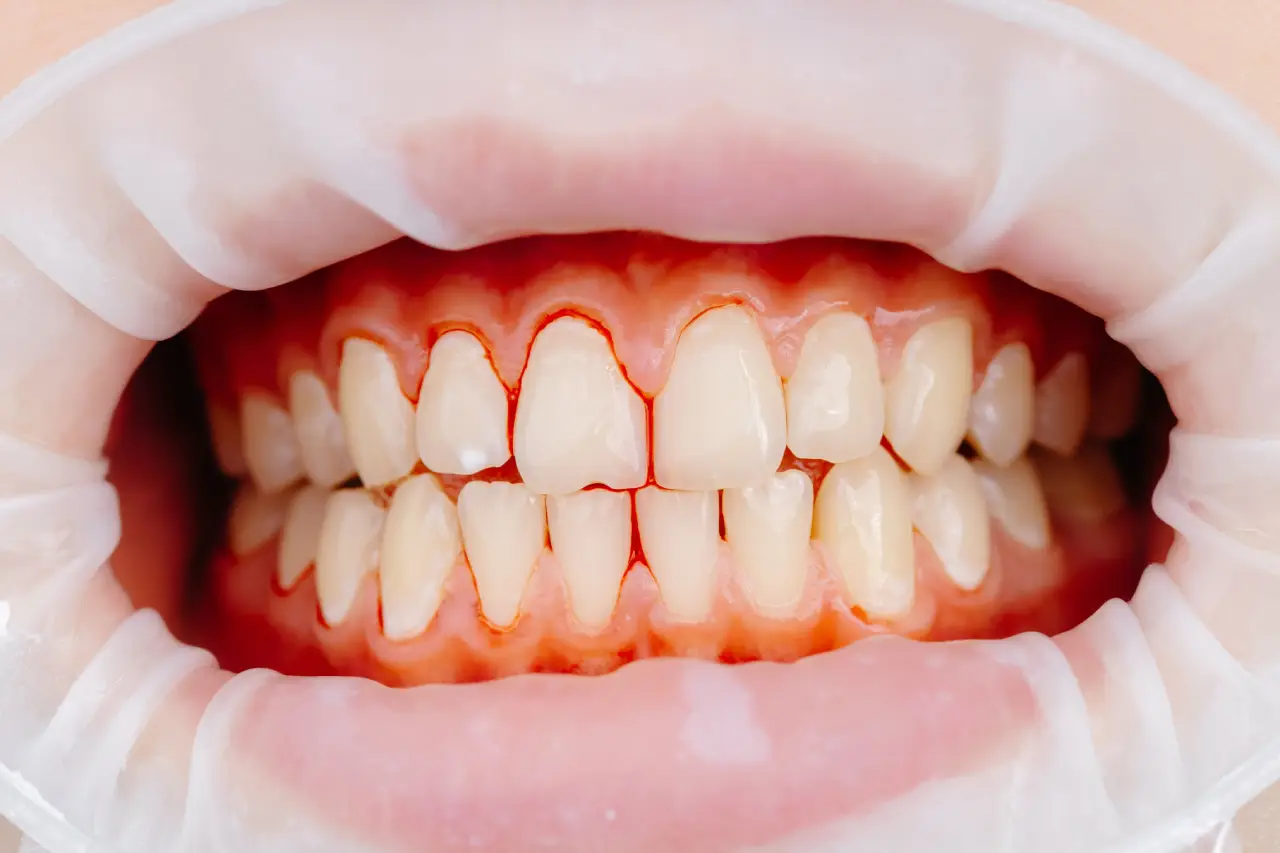
What Does Gingivitis Look Like?

Visually, gingivitis may appear as:

  • Darker red gums instead of pale pink
  • Swollen or puffy gum tissue
  • Bleeding after brushing or flossing
  • Shiny or inflamed gum surfaces

Because early gingivitis is not always painful, visual changes are often the first noticeable sign.

Can Gingivitis Hurt?

In many cases, gingivitis does not cause pain in the early stages. This is one reason it often goes unnoticed.

However, as inflammation increases, you may experience:

  • Mild tenderness
  • Sensitivity while brushing
  • Discomfort when eating

Lack of pain does not mean the condition is harmless.

How to Check for Gingivitis at Home

You can look for early warning signs by asking yourself:

  • Do my gums bleed when brushing or flossing?
  • Are my gums red or swollen?
  • Do I have persistent bad breath?
  • Do my gums feel tender or sensitive?
  • Have my gums changed in appearance?

If you answered “yes” to any of these, it’s a good idea to schedule a dental exam.

How Dentists Diagnose Gingivitis

A dental professional can confirm gingivitis through:

  • Visual examination of gums
  • Checking for bleeding and inflammation
  • Measuring gum pocket depth
  • Evaluating plaque and tartar buildup

Regular dental visits help detect issues before they become more serious.

How to Treat Gingivitis

The good news is that gingivitis is highly treatable, especially in its early stages.

Professional Dental Cleaning

A professional cleaning removes plaque and tartar that cannot be eliminated with regular brushing alone.

Improved Oral Hygiene

Daily habits play a major role in reversing gingivitis:

  • Brush twice a day for two minutes
  • Floss daily to remove plaque between teeth
  • Use antibacterial mouthwash if recommended

Regular Dental Checkups

Routine exams help ensure gum health is maintained and prevent recurrence.

How to Prevent Gingivitis

Prevention is the most effective approach.

To keep your gums healthy:

  • Brush your teeth twice daily
  • Floss every day
  • Replace your toothbrush every 3-4 months
  • Eat a balanced, low-sugar diet
  • Avoid smoking or tobacco use
  • Visit your dentist regularly

Consistent care makes a significant difference in gum health.

Gum Health Care in Brandon, MB

Maintaining healthy gums is essential for long-term oral wellness. Patients in Brandon can benefit from regular preventive care and early detection of gum disease.

At Fieldstone Dental Ltd., we provide thorough gum evaluations, professional cleanings, and personalized treatment plans to help patients maintain strong, healthy smiles.

Final Thoughts

Gingivitis is common, but it should never be ignored. Early signs such as bleeding gums, redness, swelling, and bad breath are your body’s way of signaling a problem.

The earlier it is detected, the easier it is to treat and reverse.

If you notice any signs of gum inflammation, scheduling a dental checkup can help protect your smile and prevent future complications.

Frequently Asked Questions

What are the first signs of gingivitis?

The earliest signs usually include bleeding gums, redness, swelling, and mild tenderness.

Can gingivitis go away on its own?

No. Gingivitis typically requires improved oral hygiene and professional cleaning to fully reverse.

Is bleeding when brushing normal?

No. Bleeding gums are often an early sign of inflammation or gum disease.

How long does it take to reverse gingivitis?

With proper care, mild gingivitis can often improve within 1–2 weeks.

What happens if gingivitis is not treated?

It can progress into periodontitis, a more serious condition that may cause permanent gum and bone damage.